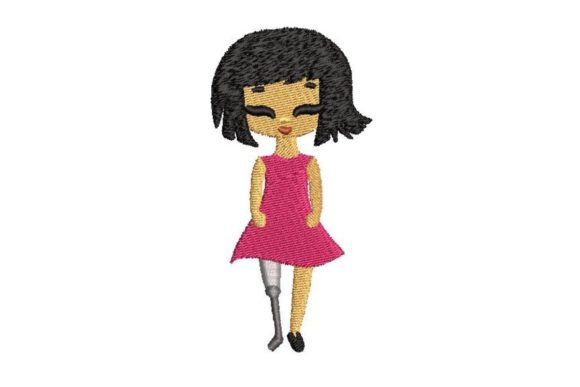
Child Amputee
A Design Review for Small Business Merchandise and Branding
As an experienced embroidery designer, I recently had the opportunity to review the Child Amputee machine embroidery design. First impressions are crucial in the world of small business merch, and this design immediately stood out for its friendly yet professional vibe. It feels like a perfect blend of approachable charm and subtle sophistication—ideal for businesses targeting a boys’ market or those looking to add a touch of personality to their custom apparel and branded patches.
Visual Personality and Brand Identity
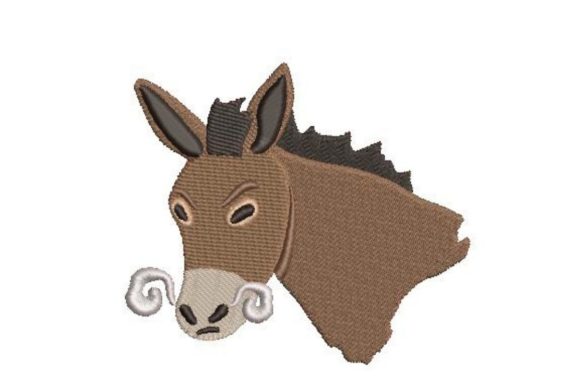
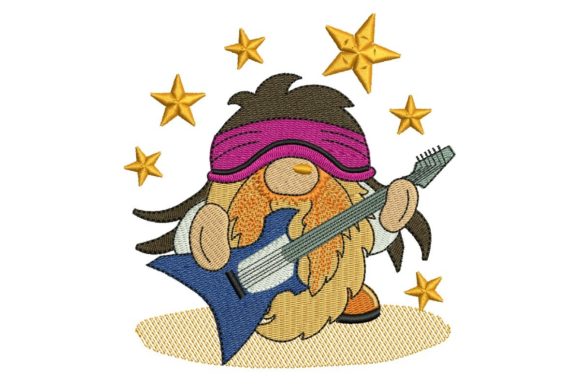
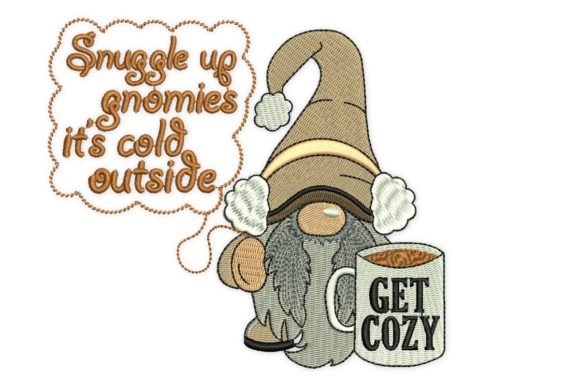
The title Child Amputee might initially seem unusual, but upon closer inspection, it’s clear that this design is meant to be whimsical and engaging. The overall aesthetic leans towards playful and modern, making it a versatile choice for a wide range of applications. Whether you're creating embroidered patches, aprons, caps, or tote bags, the design maintains a consistent visual language that supports brand identity without being overwhelming.
This design could work well for brands that want to convey a sense of fun and creativity while maintaining a level of professionalism. Its clean lines and balanced composition make it suitable for both digital embroidery files and physical production. The design's ability to adapt to different formats and sizes makes it a strong contender for small business merch that needs to stand out in a competitive market.
Real-World Use Cases for Child Amputee
When evaluating a design for commercial use, it's important to consider how it performs across various product types. Child Amputee is well-suited for several common applications:
- Embroidered Patches: The design works well as a standalone patch, especially on lighter-colored fabrics where the details can be clearly seen.
- Chest Logo Accents: It can serve as a subtle yet eye-catching detail on staff uniforms or customer gifts.
- Sleeve Details: The design’s size and complexity make it ideal for adding character to shirts or jackets without overpowering the garment.
- Cap Embroidery: When scaled appropriately, it adds a unique touch to caps, making them more memorable and visually appealing.
- Tote Bag Design: The design can be used as a decorative element on tote bags, contributing to the overall branding strategy.
- Apron Embroidery: It offers a charming addition to aprons, particularly for boutique or craft businesses looking to enhance their handmade products.
- Product Packaging Accents: A small version of the design can be used as a logo or tag on packaging, reinforcing brand recognition.
- Custom Apparel: Whether for a café, bakery, or pet brand, Child Amputee can be integrated into custom apparel to create a cohesive look.
Considerations for Commercial Embroidery
While Child Amputee has a lot of potential, there are some factors to keep in mind when using it for commercial projects:
- Small Patch Sizes: The design may require careful scaling when used on smaller patches to maintain clarity and detail.
- Cap Fronts: Due to the limited space on cap fronts, the design should be tested at reduced sizes to ensure it remains legible and proportionate.
- Curved Surfaces: If used on items like hats or curved aprons, the design’s alignment and stitch density need to be adjusted for optimal results.
- Tiny Lettering: Any text elements within the design should be reviewed for readability, especially on dark-colored fabrics.
- High Stitch Density: While the design is detailed, it may require a larger hoop size and proper stabilizer to prevent puckering or distortion.
- Fabric Texture: The design’s performance can vary depending on the fabric type, so testing on real materials is essential before mass production.
- Dark Uniforms: On darker garments, thread color contrast becomes critical. Ensure that the chosen thread colors provide enough visibility.
- Frequent Washing: For items that will undergo regular washing, such as aprons or work shirts, durability and stability are key considerations.
Design Notes for Embroidery Professionals
As an embroidery designer, I recommend the following steps before committing to a production run with Child Amputee:
- Test in Black and White: This helps identify any issues with contrast or clarity before finalizing thread choices.
- Check Patch Size Compatibility: Ensure the design scales well to the intended application, whether it's a small patch or a large tote bag.
- Review Thread Color Contrast: Select thread colors that complement the design and the fabric, ensuring visibility and vibrancy.
- Inspect Spacing: Make sure there’s adequate spacing between elements to avoid overcrowding and maintain a clean finish.
- Confirm Hoop Size: Verify that the design fits within the available hoop size to prevent stitching errors or partial designs.
- Test on Real Fabric: Always test the design on the actual fabric type you plan to use, especially for complex patterns.
- Use Proper Stabilizer: Choose the right stabilizer based on fabric type and design complexity to ensure smooth stitching.
- Create a Printable Mockup: Provide clients with a mockup to review before production, ensuring alignment with brand assets.
- Compare with Other Design Assets: Ensure consistency across all branding materials, including logos, packaging, and signage.
- Confirm Commercial Licensing: Before using the design for business purposes, verify that the license allows for commercial use.
Conclusion: A Versatile Choice for Small Business Merch
Child Amputee is a promising machine embroidery design that offers versatility and personality for small business merch. Its playful yet professional style makes it suitable for a wide range of applications, from embroidered patches and cap designs to tote bag accents and custom apparel. With the right preparation and attention to detail, this design can become a valuable asset for any brand looking to enhance its visual identity and customer engagement through high-quality, handmade products.