Dead End Sign Embroidery Review
First Impressions: A Bold Statement in Stitch
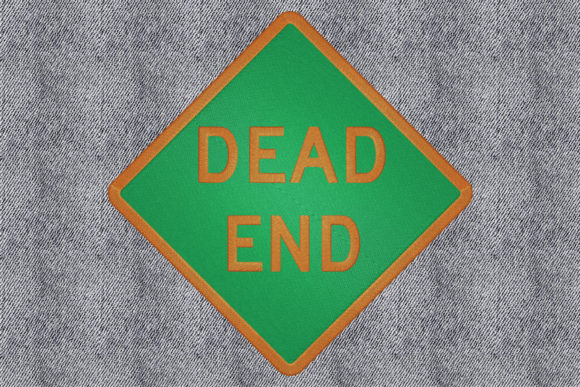
When I first saw the Dead End Sign embroidery design, it immediately caught my attention with its clear message and strong visual impact. The design has a minimalist yet commanding presence, which makes it ideal for those looking to add a touch of personality to their handmade or commercial projects. Its clean lines and straightforward layout suggest it's meant for use on larger surfaces where detail can be appreciated without overcrowding the space.
The mood created by this design is both playful and cautionary—perfect for travel-themed products or as a subtle nod to adventure and exploration. It feels like it could easily fit into a range of items from tote bags to sweatshirts, especially if you're targeting a niche audience that appreciates clever, thematic designs.
Real-Life Use: Testing Dead End Sign on a Tote Bag
I recently used the Dead End Sign on a custom embroidered tote bag for a small shop selling travel-themed goods. Before applying it to the final product, I tested it on scrap fabric to see how it would look in real conditions. The stitch clarity was impressive—each line was crisp and well-defined, even when viewed up close.
One thing I noticed was that the design worked best on medium-weight cotton fabric. On lighter fabrics, the stitch density felt slightly overwhelming, so I adjusted the stabilizer accordingly. For darker fabrics, using a light-colored thread helped the sign stand out more, which made the overall look more professional and eye-catching.
For a project like this, the Dead End Sign really shines. It adds a unique character to otherwise plain tote bags, making them instantly recognizable and appealing to customers who appreciate a bit of humor or irony in their accessories.
Where to Use with Caution
While the Dead End Sign is versatile, there are a few situations where it might not perform as expected. For example, if you're working with very small hoop sizes, the design may lose some of its visual appeal due to the limited space. Similarly, using it on stretchy fabrics or thin materials could lead to distortion unless proper stabilizers are used.
Care should also be taken when placing the design on curved surfaces like caps or hats, where the flat nature of the Dead End Sign might not translate well. Additionally, if you're planning to use it on layered garments or products that need frequent washing, ensure the stitching is secure and the thread colors are durable enough to withstand repeated use.
Visual Appeal and Product Value
The Dead End Sign contributes significantly to the visual appeal of any product it's applied to. Whether it's a personalized gift, a handmade item, or a commercial product, the design brings a sense of uniqueness and storytelling that elevates the finished product. This can enhance customer trust and make your handmade offerings stand out in competitive markets like Etsy or craft fairs.
As an embroidery designer, I also value how this design maintains brand consistency when used across different items. If you're running a small shop or craft business, having a signature design like this can help reinforce your brand identity and create a cohesive look across your product line.
Embroidery Designer Notes
If you're considering using the Dead End Sign in your next project, here are a few practical tips:
- Test on Scrap Fabric: Always test the design on a sample piece before committing to the final product. This helps identify potential issues with stitch density or color contrast.
- Check Thread Color Contrast: Ensure the thread color complements the fabric background, especially if you're using dark or textured materials.
- Review Stitch Density: Adjust the stitch density based on the fabric type to avoid puckering or distortion.
- Confirm Hoop Size: Make sure the hoop size matches the design's dimensions to prevent stretching or misalignment.
- Use Proper Stabilizer: Especially important for lightweight or stretchy fabrics, a good stabilizer ensures the design stays in place and looks neat.
- Check Licensing Terms: If you plan to sell finished items or digital versions of the design, confirm the licensing agreement to avoid any legal issues.
By following these steps, you'll be able to maximize the potential of the Dead End Sign and ensure it performs well in both personal and commercial embroidery projects.
Final Thoughts: A Versatile Design with Personality
Overall, the Dead End Sign is a solid choice for anyone looking to add a touch of character to their embroidery projects. It works well on a variety of surfaces and can be adapted to suit different styles and themes. Whether you're creating personalized gifts, custom apparel, or boutique merchandise, this design has the potential to elevate your work and engage your customers in a meaningful way.
As a designer, I recommend testing it thoroughly and adjusting based on the specific needs of your project. With the right preparation and attention to detail, the Dead End Sign can become a valuable asset in your creative toolkit.