Peace Sign Hand
A Delicate Touch of Peace and Love
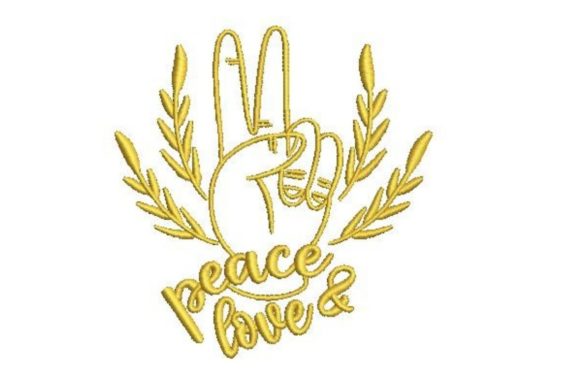
The first impression of Peace Sign Hand is one of softness and elegance. It feels like a modern, minimalist design that carries a strong message without being overwhelming. The title suggests a gentle yet meaningful symbol—perfect for those who want to add a touch of peace and love to their handmade products.
Where Does Peace Sign Hand Stand Out?
When setting up a booth at a craft fair, Peace Sign Hand would shine on items like tote bag designs, apron embroidery, and tea towel embroidery. Its delicate nature makes it ideal for fabric with a subtle texture, such as linen or cotton blends. On a patch or a pillow cover, it can serve as a quiet focal point that draws attention without overpowering the product.
Peace Sign Hand also looks great on small pouches and market bags, where its simplicity allows the design to stand out. For Etsy sellers and small shop owners, this design could be a versatile addition to a range of handmade products that appeal to both casual and intentional buyers.
Design Performance Across Products
Peace Sign Hand performs well on a variety of surfaces. On tote bags, it adds a fresh, artistic element that complements the utility of the item. On aprons, it brings a sense of calm and care, which resonates well with customers looking for thoughtful, handmade gifts.
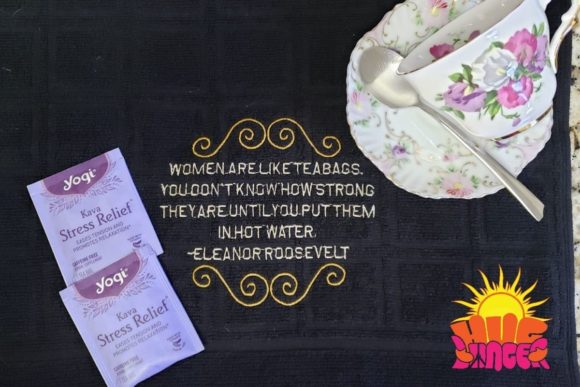
For tea towel embroidery, the design's delicate lines and soft color palette make it visually appealing in a kitchen setting. When applied to caps, it offers a subtle but impactful look, especially when paired with neutral or pastel fabrics.
As an embroidered patch, Peace Sign Hand is perfect for adding a personal touch to jackets, denim, or even accessories. Its ability to work well on small surfaces means it can be used in multiple ways, increasing its versatility for both commercial and digital embroidery file users.
Practical Selling and Production Points
One of the key strengths of Peace Sign Hand is its clarity at a glance. The design is easy to understand, making it ideal for online listings and printable mockups. This is especially important for Etsy sellers and digital embroidery file creators who rely on visuals to attract buyers.
However, there are some practical considerations. The design may require careful attention to stitch density, particularly in areas with dense stitching or tiny details. Stitch density can affect how the design appears on different fabrics, so testing on scrap fabric is essential before moving to production.
For commercial embroidery, the hoop size should be confirmed to ensure the design fits properly. Using the right stabilizer is crucial for maintaining fabric texture and preventing puckering, especially on textured towels or thick fabrics.
Design Considerations for Different Fabrics
Peace Sign Hand works best on light-colored fabrics, where its soft colors and delicate lines can be fully appreciated. Dark fabrics may reduce the design’s visual impact, so it’s important to consider fabric contrast when creating printable mockups and design assets.
On curved surfaces like caps, the design must be tested to ensure it maintains clarity and proportion. Similarly, on market bags or pillow covers, the design should be reviewed for how it looks at smaller sizes, as some details might lose clarity when scaled down.
Visual Appeal and Customer Engagement
Peace Sign Hand has a strong visual appeal due to its clean lines and meaningful symbolism. It appeals to customers who value handmade quality and brand consistency, especially in the inspirational category. The design can help elevate the perceived value of a product, making it more attractive to buyers looking for meaningful, artisanal items.
At a craft fair, the design’s subtle presence can draw customer attention without being too bold. It’s the kind of craft fair product that invites people to stop and consider its meaning, which is a powerful selling point for creative entrepreneurs and boutique makers.
Embroidery Designer Notes
Before producing Peace Sign Hand, it’s recommended to test the design on scrap fabric to assess stitch density and overall appearance. Check thread contrast to ensure the design stands out against the chosen fabric. Confirm the hoop size and use the appropriate stabilizer to maintain fabric texture and prevent distortion.
Create at least one real mockup to preview how the design will look on finished products. Compare fabric colors and confirm commercial licensing if you plan to sell the design commercially. These steps will help ensure that your finished product meets the highest standards of quality and appeal.